



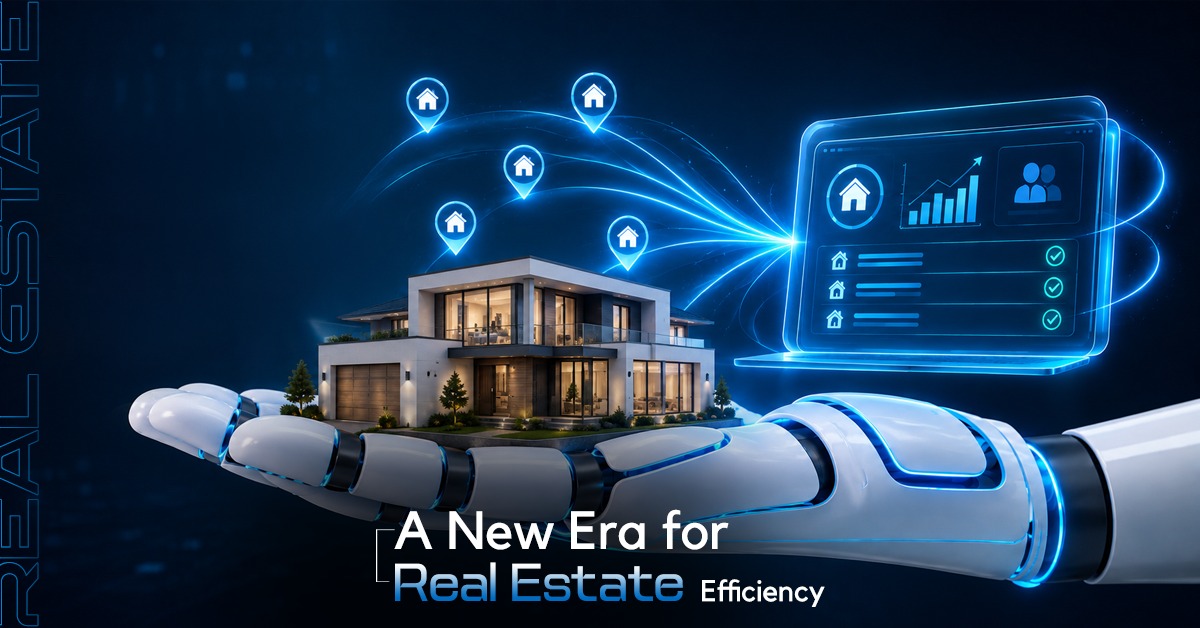
The real estate landscape is quickly changing with digital platforms and CRM systems becoming increasingly interconnected. One of the biggest advancements of the past few years has been the seamless integration of property portals into CRMs and embedding lettings leads directly on the platform. This change is changing the way that real estate professionals handle inquiries, communicate with customers, and turn leads into successful deals.
A Trend Toward Automation within the Real Estate Sector.
Property agents used to send the leads they got from listing sites through manual methods. Communication was often disjointed, email-based, and spreadsheets were used, meaning that things were lost and missed tasks didn’t get done. Today, the lead transfer from property portals to CRM is automated and reduces the risk of data entry errors and saves time.
This automation means that all inquiries are instantly converted, classified, and assigned to the relevant team member. Consequently, response times are greatly enhanced, giving agents the competitive edge in today’s fast-moving market.
Centralized Lead Management
A major advantage of CRM integration is the ability to have all data in one place. Agents can view all their customers’ enquiries in one dashboard, rather than having to deal with them over several platforms. The consistent approach will help in tracking, follow-up, and performance analysis.
Consolidating all data in a single location provides businesses with a better understanding of customers’ behavior. They can pinpoint the properties that are most likely to be noticed, the most effective sales tactics, and what happens to the leads once they enter the sales funnel.
Improved Customer Experience
Customer experience is a key factor in closing sales in this-day-and-age cut-throat real estate market. An integrated CRM system allows agents to provide timely and customised customer interactions based on the customer’s preferences.
For instance, if a potential tenant asks for information via a property portal, the CRM can save their information, likes, and communication history. With this feature, agents can give personalized guidance and timely follow-ups, creating a more interactive and professional experience.
Improved communication and collaboration
Additionally, CRM integration boosts in-house communication within real estate teams. Leads can be distributed, monitored, and updated on the fly, keeping everyone updated. This helps to eliminate confusion and duplication of effort.
Further, the automated notifications and reminders keep agents up to date on their jobs. Whether it’s scheduling property viewings or following up with potential clients, the system ensures that no opportunity is overlooked.
Data-Driven Decision Making
Modern CRM systems are integrated with various advanced analytics and reporting features. Businesses can use lettings leads to draw valuable insights into their operations when they integrate them. These insights can be utilized to spot trends, assess performance, and boost marketing efforts.
For example, agents will be able to find out what kinds of properties have the most inquiries or where properties are most sought after. This data-driven approach will enable businesses to make informed decisions and optimize their overall processes.
Scalability for expanding companies.
It can be difficult to keep track of more leads as the real estate business grows. Business CRM systems are designed to grow with your business. They can process data efficiently and quickly, even on large volumes of information.
The ability to scale makes CRM integration the perfect choice for small agencies and large enterprises alike. It ensures that businesses can continue to operate smoothly as they grow and adapt to market changes.
Technology's role in the future and how AI is shaping it.Future trends and the role of AI.
In the future, AI will be a significant player when it comes to CRM integration. Customer data can be analyzed with AI tools and automated with AI tools to predict customer behavior and automate routine tasks. This will further improve efficiency and enable agents to focus more on their relationships and deal closings.
Property portals and CRM software are likely to become even more closely connected in the future, with the ability to automatically score leads, send out automated marketing communications, and gain real-time customer insights becoming the norm.
Conclusion
Lettings lead integration with CRM systems is a major step forward in the real estate sector. Businesses can achieve improved efficiency and effectiveness by streamlining processes, consolidating data, and enhancing customer interactions. The evolving technology will keep changing the rules of the game, and companies that adopt these technologies will be more inclined to excel in the competitive market.
FAQs
1. What does CRM integration with property portals mean?
It means that leads from property listings are automatically transferred into a CRM system for better management.
2. How does this integration help real estate agents?
It saves time, minimizes manual effort, and enhances the company’s lead tracking and response time.
3. Can small real estate businesses take advantage of CRM integration?
Absolutely, CRM systems can be scaled up and are appropriate for companies of all sizes.
4. Can we use CRM to enhance the customer experience?
Yes, it does make answering quicker and more personal.
5. What's the future of CRM in real estate?
What’s to come is a future of automation, prediction, and increasingly, deeper integrations with systems.